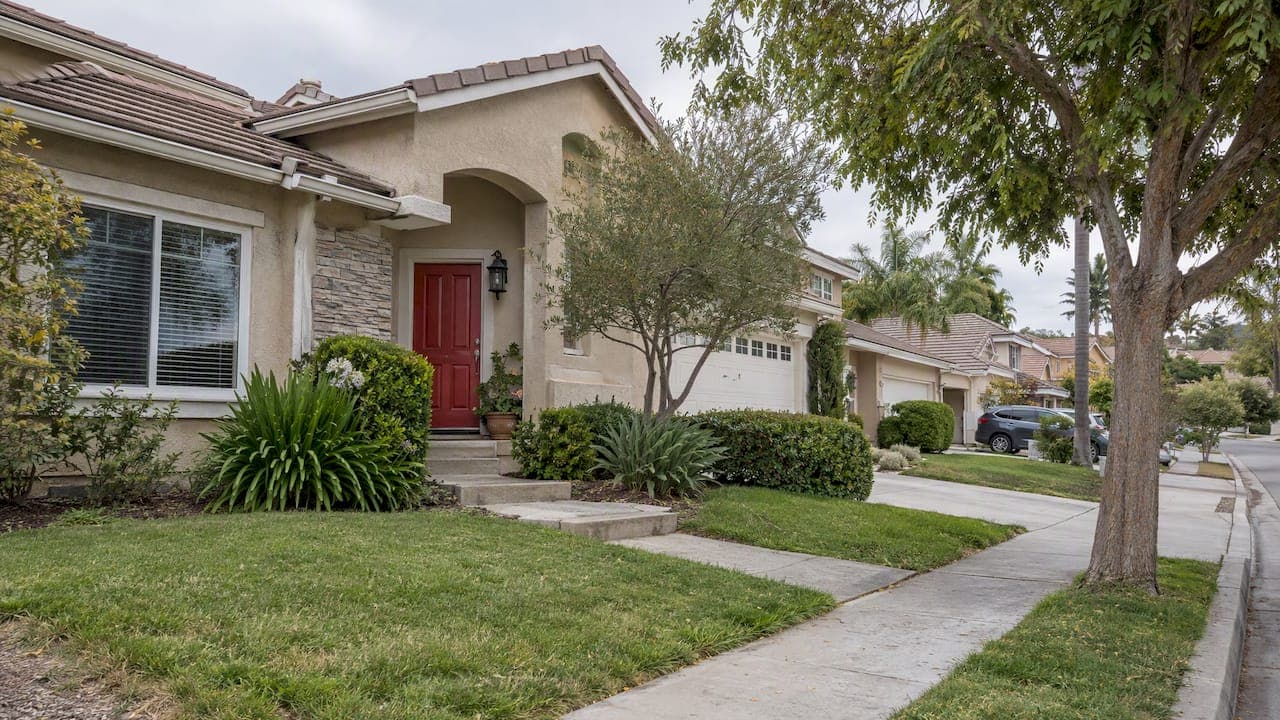
A probate sale in California is the sale of a home that belonged to someone who has died, handled by a court-appointed personal representative. Depending on the authority the court grants, the sale either goes through a confirmation hearing, where other buyers can top the accepted price, or it proceeds with little court involvement. The whole case usually takes many months, and the house can often be listed well before it ends. This guide walks through the steps, the timeline, the costs, the tax rules and the choices that decide how much the heirs keep.
TL;DR
- Probate is the court process for transferring a deceased person’s property. A judge appoints a personal representative, and that person is the only one who can sell the house for the estate.
- California Courts says formal probate typically takes 9 to 18 months and can run longer. The house can often be listed sooner, but the sale may still need court confirmation.
- If the court must confirm the sale, the first overbid must beat your accepted price by a set formula, so the price can rise at the hearing.
- Heirs generally get a stepped-up tax basis equal to the home’s value on the date of death, which often cuts or erases the capital gain.
- A house held in a funded living trust usually skips probate and can sell much faster.
Table of Contents
- Does the house have to go through probate?
- How a probate sale works in California
- Probate timeline in California
- Trust sale vs. probate sale
- What a probate sale costs
- Who gets the money
- Step-up in basis when you sell an inherited house
- Selling an inherited house: practical choices that protect the price
- Our perspective on probate listings
- Selling a probate home in the Inland Empire with us
- FAQ
- Sources
Does the house have to go through probate?
Not always, and this is the first question to settle, because it decides everything after it. California Courts explains that probate is the legal process for transferring property after the owner dies, and that some property passes without it. Examples include qualifying joint tenancy, transfer-on-death arrangements, community-property survivorship and property held in a living trust.
The same court page also describes a simplified procedure for smaller estates. It lists $184,500 for deaths on or after April 1, 2022, and the procedure has its own requirements. That figure is adjusted over time, so check the court page for the current limit before you rely on it. In the Inland Empire, where a typical single-family home is worth far more than that, the shortcut rarely applies to a house on its own.
Quick check before you list anything:
- Was the home titled in a living trust, and was the deed actually recorded in the trust’s name?
- Does the deed show joint tenancy with a surviving owner, or a transfer-on-death designation?
- Was the home community property that passes to a surviving spouse?
- If none of these, was there a will, and has anyone filed it with the court?
If the answer to the first three is no, you are almost certainly looking at a probate sale.
How a probate sale works in California
The court first appoints a personal representative, called the executor when a will names one and the administrator when there is no will. California Courts says that person is appointed at a hearing and then administers the estate’s assets and liabilities. Until the court issues the appointment papers, called Letters, no one has legal authority to sell.
The overall path looks like this:
- Petition and hearing. An heir or the named executor files the petition. The court sets a hearing, notice goes to interested parties, and the court’s probate examiner reviews the paperwork. The Stanislaus Superior Court notes that missing or defective documents can require more filings and delay. Every county court runs its own calendar, so expect Riverside and San Bernardino County timing to differ from other counties.
- Letters issued. The personal representative now has authority, either limited or full.
- Inventory and appraisal. A court-appointed probate referee values the home. This value drives the minimum price in a supervised sale.
- Listing and offers. The home goes on the market, often “as is.”
- Confirmation, if required. The court approves the sale or declines it.
- Closing, then distribution. The estate pays debts and expenses, and what remains goes to the people entitled to it.
Full authority versus limited authority
This is the detail that changes the experience most. A probate sale of real estate requires court supervision unless the personal representative has full authority under the Independent Administration of Estates Act. With full authority, the representative can usually sell after giving notice to heirs, and the sale goes to court only if someone objects. With limited authority, the sale needs a confirmation hearing.
If a family is choosing between the two, ask the estate attorney whether full authority is available. It generally means fewer hearings and a more normal sale.
What the confirmation hearing means for buyers and sellers
In a supervised sale, an accepted offer is not final until the judge confirms it. Court supervision exists to help ensure the property is sold for a fair price and to protect heirs and creditors. Two rules shape what happens in the courtroom.
First, the value. If the property has not been appraised, or the appraisal is more than a year before the hearing, it may need a fresh appraisal before the sale or confirmation, under Probate Code 10309. In practice the price must also clear a floor tied to the referee’s figure.
Second, overbidding. Other buyers can appear at the hearing and bid above the accepted offer, and the first overbid has to exceed it by a percentage formula set in the statute. When several offers meet the requirements, the court must accept the highest, but may decline and order a new sale, according to Probate Code 10311.
That is why a buyer’s accepted offer is a starting point, not a finish line. For the estate, it is an opportunity: a well-marketed home can attract competing bids in the room.
Probate timeline in California
Plan on months, not weeks. California Courts puts formal probate at roughly 9 to 18 months and sometimes longer. The San Diego Superior Court’s published timeline gives a similar range of 9 months to a year and a half or more, and lists the milestones: the hearing, issuance of Letters, inventory and appraisal, creditor administration, accounting and final distribution.
The house does not have to wait for the last milestone. Here is how the pieces usually line up:
| Stage | What happens | What it means for the sale |
|---|---|---|
| Petition filed | Court sets a hearing and notice goes out | Nothing can be signed yet |
| Letters issued | Representative is appointed | Listing agreement and sale authority begin |
| Inventory and appraisal | Referee values the home | Sets the pricing floor for a supervised sale |
| Listing and offer | Home is marketed, offer accepted | Offer is subject to court approval if supervised |
| Confirmation | Judge approves, overbids possible | Closing follows shortly after |
| Creditor period and accounting | Debts and taxes are handled | Proceeds may be held until the estate is ready to distribute |
| Final distribution | Heirs receive what remains | Estate closes |
The things that stretch the timeline are predictable: a will contest, a missing document, an heir who cannot be located, a house that needs repairs before it can show, or a hearing date that falls weeks out because of the court’s calendar. The things that shorten it are an organized attorney, full authority under the IAEA and an agent who has the home ready to list the week Letters arrive.
Trust sale vs. probate sale
A trust sale is generally handled by a successor trustee without a judge. A probate sale is handled by a court-appointed personal representative and may require a judge to confirm it. The practical gap is large. The same source reports that homes in a fully funded living trust typically close in 30 to 60 days, much faster than a probate sale.
| Trust sale | Probate sale | |
|---|---|---|
| Who sells | Successor trustee | Court-appointed personal representative |
| Court involvement | Generally none | Hearings, possibly confirmation |
| Typical speed | About 30 to 60 days to close for a funded trust | Months, with the case often 9 to 18 months |
| Overbids | No | Possible at confirmation |
| Public record | Generally private | Filings are court records |
The key phrase is “fully funded.” Many families have a trust on paper but never recorded a deed moving the house into it. If the house is still in the parent’s personal name, it may land in probate despite the trust. Ask the attorney to pull the recorded deed before anyone assumes the trust applies.
What a probate sale costs
The costs are the part families find hardest to estimate, so here is what can be stated with confidence and what cannot.
- Real estate commission. The estate owes a broker nothing unless the sale is made and, when court approval is required, confirmed and completed. Probate Code 10160 says so directly. In a supervised sale, the commission is also reviewed by the court, so ask any agent how it is handled and put it in writing.
- Attorney compensation. For extraordinary services beyond ordinary administration, courts may allow additional attorney pay that must be just and reasonable. A sale that goes to confirmation, with overbids or a contested hearing, is a typical place for those questions to come up.
- Carrying costs. Property taxes, insurance, utilities and lawn care continue while the case is open. Over a year or more, these add up.
- Closing costs. Title, escrow, transfer-related charges and any repairs you agree to make. Our guide to seller closing costs in California breaks down a normal sale, and most of those lines apply here too.
Are probate sales cash only? No. Nothing in California law limits buyers to cash. Investors who pay cash do tend to be comfortable with the uncertainty of court confirmation, but a financed buyer can buy too, provided the lender accepts the timing. A confirmed sale that falls through at the lender’s door wastes everyone’s time, so a pre-approved buyer with a realistic closing window is worth as much as a cash buyer.
Who gets the money
The personal representative collects the estate’s property, pays the decedent’s bills, and distributes whatever remains to the heirs or beneficiaries who have a legal right to it. So the sale price is not what the heirs receive. Debts, expenses, taxes and fees come first.
One creditor deserves a flag. California’s estate recovery rules for Medi-Cal benefits, for deaths on or after January 1, 2017, are limited to specific probate assets and exemptions. If your loved one received Medi-Cal, ask the estate attorney early whether a claim could be made against the house. That conversation belongs before you accept an offer, not after.
Step-up in basis when you sell an inherited house
This is the tax point that surprises families in a good way. Generally, inherited property’s federal tax basis is its fair market value on the date of death, rather than what the decedent originally paid. An alternate valuation date applies only if the executor files Form 706 and elects it. If you sell for more than that basis, the difference is taxable gain.
A worked example, using round numbers for illustration only: a parent bought a Chino Hills home decades ago for $250,000. At death it is worth $950,000. The heirs’ basis starts at $950,000, not $250,000. If the house sells for $960,000, the taxable gain is the difference between the sale price and that basis, before selling costs and adjustments, instead of a gain on the original purchase price.

California is a community property state, which helps surviving spouses. IRS Publication 551 says community-property rules generally give the entire community property a date-of-death value basis when the estate-inclusion condition is met, including the surviving spouse’s share.
Two practical steps follow. Get a date-of-death appraisal, since the probate referee’s figure in a probate case or a licensed appraiser’s report in a trust case documents the basis. And have a CPA review the sale, because holding the house for a year while it appreciates or deteriorates changes the math.
If you are a surviving homeowner aged 55 or older thinking about downsizing yourself, a different rule applies. Our article on Proposition 19 and moving without tax penalties covers it.
Selling an inherited house: practical choices that protect the price
Legal mechanics aside, the sale itself comes down to decisions the representative makes with the agent. These are the ones that matter most.
Price against the appraisal, then market for competition
In a supervised sale the referee’s value anchors the minimum, but the market decides the real number. A home that sits quietly on the MLS with poor photos invites a low offer and a single bidder. A home that draws several showings in the first week gives the court a stronger record and gives the estate a chance at overbids.
Decide on repairs carefully
Heirs often ask whether to fix up an inherited home. Cosmetic work, cleaning and clearing out belongings usually return their cost. Major repairs paid from estate funds can raise questions with the court and with co-heirs. Ask the attorney what the representative is authorized to spend, and keep receipts. Selling “as is” with clear disclosures is a legitimate path, and buyers in the Inland Empire are used to it.

Keep every heir informed
Disputes over a probate sale are common when one heir feels excluded. Share the listing agreement, the offers and the disclosures with everyone entitled to them. Transparent handling protects the representative personally, and it prevents objections that stall the hearing.
Tenants in the house
If a tenant lives in the inherited property, the lease, notices and showings add a layer. Our guide on selling a house with tenants lays out the practical options for landlords.
Our perspective on probate listings
We handle probate sales like any other listing, with extra discipline on three fronts: paperwork, price and pace. Every transaction here is personally run by me, which matters when the family is grieving and the court calendar is unforgiving. I would rather call the estate attorney on day one than discover a defect in the petition after we have an offer.
What we have seen in Chino Hills, Chino, Eastvale and Ontario is that a probate home often goes to market tired: dated finishes, deferred maintenance, belongings still inside. The estate does not need a remodel. It needs presentation, honest disclosures and a plan to create buyer competition in the first days, so that if the court asks whether the price is fair, the answer is on the record. That is the idea behind our Demand Blueprint, which is built to produce multiple offers quickly. In a supervised sale, competing offers and a strong first showing week are exactly what protect the estate.
We also encourage families to think about commission early. A lower-fee structure leaves more equity in the estate for the heirs, and it is worth asking any agent to explain exactly how their fee works in a court-confirmed sale.
— Mike Velez
Selling a probate home in the Inland Empire with us
If you are the executor, administrator or successor trustee of a home in Chino Hills, Chino, Eastvale or Ontario, we can work alongside your attorney from the listing agreement to closing. You can compare our listing options and pricing, including the lower-fee Equity Advantage Listing, and see how we sell a home in 14 days when the situation allows it. Your attorney decides what the court requires, and we make sure the marketing meets it.

If the family also needs to buy or move after the sale, our Move-Up/Down service coordinates both sides so no one is left without a place to live.
FAQ
Can a house be sold while it is in probate?
Yes, once the court has appointed the personal representative and issued Letters. With limited authority, the sale needs court confirmation. With full authority under the IAEA, the representative can usually sell after giving notice to heirs, and the sale goes to court only if someone objects.
What are the disadvantages of a probate sale?
The main ones are time, uncertainty and cost. The case commonly takes 9 to 18 months, an accepted offer in a supervised sale can be topped at the hearing, and carrying costs and professional fees continue until the estate closes. Buyers who can’t wait out confirmation often walk away, which narrows the pool.
Are probate sales cash only in California?
No. California law does not restrict probate buyers to cash. Financed buyers can purchase, but the lender has to accept the timing of court approval, so a pre-approved buyer with a flexible closing date is the practical requirement.
Who gets the money from a probate sale?
The personal representative first pays the estate’s debts, taxes and expenses. Whatever remains goes to the heirs or beneficiaries named in the will, or to the heirs the law identifies if there is no will.
Do heirs owe capital gains tax on an inherited house?
Generally, only on gain above the stepped-up basis, which is the home’s value on the date of death. If the house sells close to that value, the taxable gain is often small. Confirm the details for your situation with a CPA.
Sources
- Guide to property after someone dies, California Courts
- Overview of formal probate, California Courts
- When formal probate may not be needed, California Courts
- California Probate Code 10309
- California Probate Code 10311
- California Probate Code 10160, FindLaw
- Probate FAQs, Stanislaus Superior Court
- Probate timeline, San Diego Superior Court
- California Probate Code, attorney compensation
- Gifts and inheritances, IRS
- Publication 551, IRS
- Selling a House in a Trust or Estate, Ridley Law