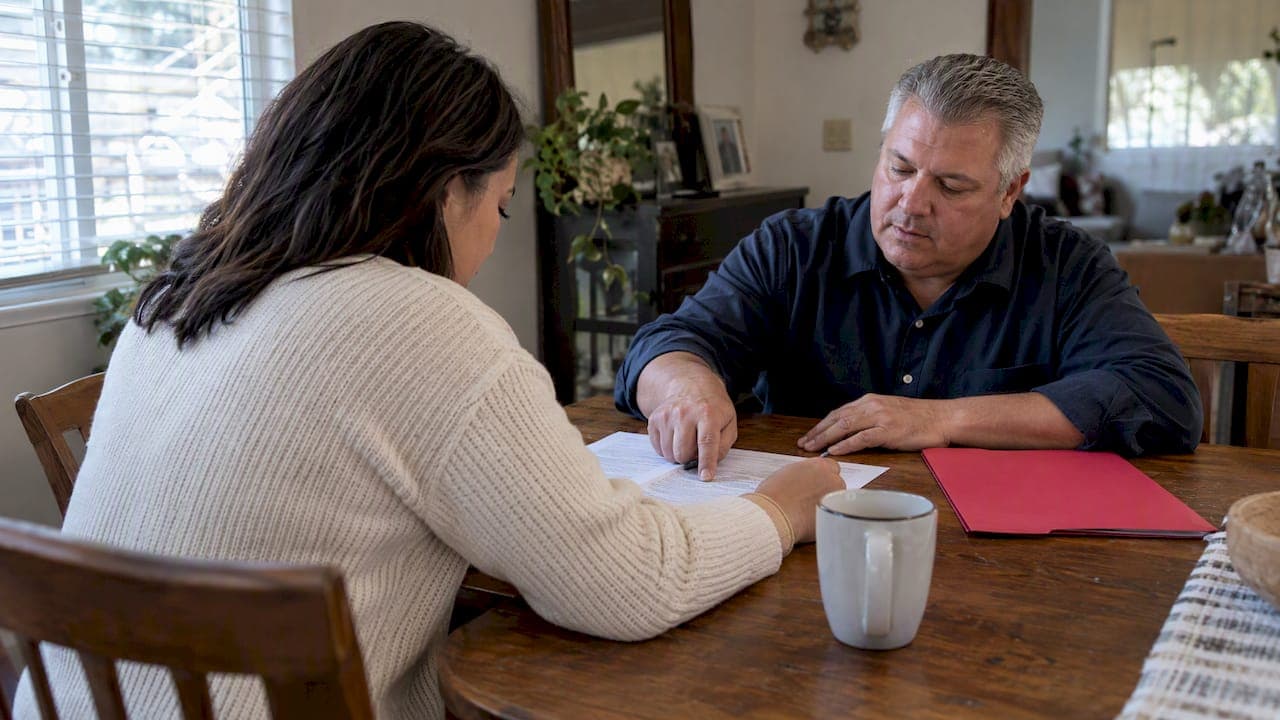
Appraisal gap coverage is a clause where you agree in writing to cover some or all of the difference if your home appraises below the purchase price. It creates a binding cash commitment, not a suggestion. If the appraisal comes in low, you have four real paths: renegotiate with the seller, pay the gap in cash, dispute the appraisal, or walk away if your contract still has an appraisal contingency.
TL;DR:
- Buyers should set their appraisal gap cap based on available cash after closing costs and reserve requirements, avoiding limits they cannot meet in cash.
- An appraisal that comes in below the contract price reduces the loan amount and increases the required down payment unless an appraisal contingency allows walking away.
- Pairing a gap clause with a contingency deadline helps ensure an exit if the appraisal shortfall exceeds the cap.
- Disputing a low appraisal through reconsideration of value is an effective option, especially when factual errors or overlooked comparables are involved.
- In competitive markets, a well-structured coverage clause can help secure a deal, but it requires thorough preparation and realistic cash capacity assessment.
Table of Contents
- What a low appraisal does to your loan and your cash need
- What an appraisal gap clause actually commits you to
- Five practical options if the appraisal comes in low
- Sizing a cap you can actually afford
- Disputing a low appraisal: reconsideration of value and second opinions
- When a gap clause makes sense, and sample wording
- A broker’s take on protecting your cash and your offer
- How BLDG Realty helps you manage an appraisal shortfall
- Where these numbers and policies come from
- Sources
- FAQ
What a low appraisal does to your loan and your cash need
Your lender bases your loan amount on the lower of two numbers: the contract price or the appraised value. When the appraisal comes in under what you agreed to pay, the lender will not lend against the higher number. That gap does not disappear. Someone has to cover it, and in most deals, that someone is you.
Here’s what changes when the appraisal misses the mark:
- Your loan amount shrinks to match the appraised value, not the price you offered.
- Your required down payment effectively grows by the size of the gap.
- Your loan-to-value ratio rises unless you bring extra cash to close.
A widely cited example from MortgageDaily shows the mechanics clearly: on a $420,000 contract with 20% down, an appraisal that comes in at $400,000 pushes your required cash from $84,000 to $100,000. If your contract still includes an appraisal contingency, you retain the right to walk and keep your deposit. Without one, you’re committed regardless of what the number says.
What an appraisal gap clause actually commits you to
An appraisal gap coverage clause, sometimes called an appraisal guarantee or gap commitment, is language added to your offer stating you will cover the shortfall up to a specific dollar cap if the home appraises below the contract price. It is not a gesture of good faith. Once signed, it’s enforceable the same way any other financial term in your purchase agreement is.
The cap is usually written as a flat dollar figure or a percentage of the contract price, and it interacts directly with your appraisal contingency. Many buyers pair the two: the contingency protects you below the cap, and the clause commits you to cover the gap up to that number.
- Caps in competitive offers commonly range from a few thousand dollars to an amount buyers can cover in cash, depending on the market and the buyer’s reserves.
- The clause typically specifies exactly how much you’ll pay and does not adjust automatically if the actual gap is smaller or larger.
- Setting the cap above what you can actually produce in cash turns a negotiating tool into a real liquidity problem.
Pro Tip: Never set your cap higher than the cash you can put on the table today, after your lender’s reserve requirements are met.
Five practical options if the appraisal comes in low
When the number comes back short, you’re choosing among a handful of real moves, not one obvious answer.
- Renegotiate the price. Bring your agent’s comps and ask the seller to meet the appraised value. This works best when the seller has few backup offers.
- Split the difference. Divide the gap evenly (or by an agreed ratio) between buyer and seller, and put the exact math in writing as an addendum.
- Pay the full gap in cash. Confirm with your lender first that this doesn’t disturb your required post-closing reserves.
- Raise your loan-to-value and accept mortgage insurance. This avoids draining cash, but it adds a recurring monthly cost. A comparison of mortgage insurance and homeowners insurance can help you weigh that trade-off against a one-time cash payment.
- Walk away, if your contingency allows it. Check your deadline: appraisal contingencies typically expire on a specific date, and missing it can forfeit your deposit protection.
Before picking a path, confirm two things:
- How much cash you can produce without touching your closing reserves.
- Whether your appraisal contingency deadline has already passed.
Sizing a cap you can actually afford
A responsible cap starts with your bank balance, not your competitive instinct. Before your agent submits an offer with a gap clause, four factors should drive the number: your available cash after closing costs, your lender’s minimum reserve requirements, how hot the local market is, and how much appraisals in that area have historically lagged rising prices.
A workable rule of thumb ties the cap to what’s left after your down payment and reserves, never to what you hope will impress the seller.
- Confirm your post-closing reserve requirement with your lender before settling on a number.
- Build a folder of recent, relevant comps your agent can use if a rebuttal becomes necessary.
- Agree with your agent in advance on exactly when you’d renegotiate versus walk.
Pro Tip: Ask your agent to write the clause with a specific dollar cap, not a percentage, so there’s no ambiguity about your maximum exposure.
Sample language your agent might propose: “Buyer agrees to pay up to $10,000 above the appraised value should the appraisal come in below the purchase price, with any additional gap subject to renegotiation.”
Disputing a low appraisal: reconsideration of value and second opinions
You are not stuck with the first number. FHFA’s standardized Reconsideration of Value policies give buyers a formal path to challenge an appraisal through their lender when the report contains errors or omits relevant comparable sales.
- Review the appraisal for factual mistakes, such as wrong square footage or missed upgrades.
- Identify comparable sales the appraiser overlooked, especially recent ones in fast-moving markets.
- Submit the evidence through your lender as a formal ROV request, then allow time for the appraiser’s response.
- If the ROV doesn’t resolve it, ask your lender whether a second appraisal is realistic. Freddie Mac’s homebuying guidance notes this is one of several standard options when the first appraisal comes in below your offer.
Success usually hinges on missing comparables or documented errors, not a simple disagreement over value.
When a gap clause makes sense, and sample wording
A gap coverage clause earns its place in competitive, low-inventory markets where sellers can choose between multiple offers and a guarantee makes yours stand out. In a slower market with fewer bidders, the same clause just adds risk without adding leverage.
The trade-off is real: you’re accepting a binding cash obligation in exchange for a stronger offer, and that obligation doesn’t care whether your reserves were already tight.
- Confirm the buyer’s cash capacity in writing before the clause goes into the offer.
- Keep the cap tied to a dollar figure, never an open-ended percentage.
- Pair the clause with a contingency deadline so there’s a clear exit point if the gap exceeds the cap.
Fannie Mae’s research points out that appraisers in fast-rising markets often underuse time adjustments, which is one reason underappraisals cluster in neighborhoods with rapid price growth.
A broker’s take on protecting your cash and your offer

I’ve watched buyers lose deals over appraisal gaps that a little preparation would have prevented. Before we ever submit an offer with a coverage clause, I confirm reserve requirements with the buyer’s lender and build a comparable sales folder we can use immediately if a rebuttal becomes necessary.
On the seller side, I encourage flexibility when an appraisal lands close to the offer. Splitting a modest gap usually keeps a transaction together better than digging in on the original price. My advice to buyers is consistent: size your cap to cash you actually have on hand, document that capacity before you sign anything, and treat the clause as a real commitment, not a bargaining chip.
— Mike Velez
How BLDG Realty helps you manage an appraisal shortfall
Appraisal gaps are easier to navigate when someone has already run the comps and pressure tested the offer before you sign. A buyer program can build that preparation into your offer strategy from the start, so a coverage clause reflects real numbers instead of guesswork.

If you’re buying in Chino Hills, Chino, Eastvale, or Ontario and want help sizing a gap clause or reviewing a shortfall before you commit cash, our VIP Buyer Program puts that work on our side of the table. Check your numbers first with our mortgage calculator, then reach out to talk through your offer.
Where these numbers and policies come from
- FHFA’s Reconsideration of Value policy announcement
- Fannie Mae research on underappraisals and time adjustments
- Freddie Mac’s consumer guidance on low appraisals
- MortgageDaily’s appraisal gap example and options
Sources
- Housing Market Effects of Appraising Below Contract — Fannie Mae
- FHFA announces enterprise reconsideration of value policies — FHFA
- What Homebuyers Can Expect with an Appraisal — Freddie Mac
- Appraisal Gap: When the Home Appraises Low — MortgageDaily
FAQ
Is appraisal gap coverage a good idea?
It can strengthen your offer in a competitive market, but it’s only a good idea if you can actually cover the cap in cash without touching your required reserves. Treat it as a calculated risk tied to a number you’ve confirmed with your lender, not a way to look more serious to the seller.
What does a $5,000 appraisal gap mean?
It means the home appraised below the contract price, and someone has to make up that difference for the loan to close as agreed. If you’ve signed a gap coverage clause with a cap at or above that amount, you’re responsible for paying it.
Who pays for an appraisal gap?
By default, the buyer covers it, since the lender won’t finance above the appraised value. Depending on your negotiating position, you may split the gap with the seller, cover it entirely yourself, or walk away if your appraisal contingency still applies.
How much of an appraisal gap should I offer?
Base your cap on cash you can produce after meeting your lender’s reserve requirements, not on what feels competitive. MortgageDaily’s example shows how quickly a shortfall can add tens of thousands of dollars to your required cash, so confirm the number with your lender before you commit to it in writing.